


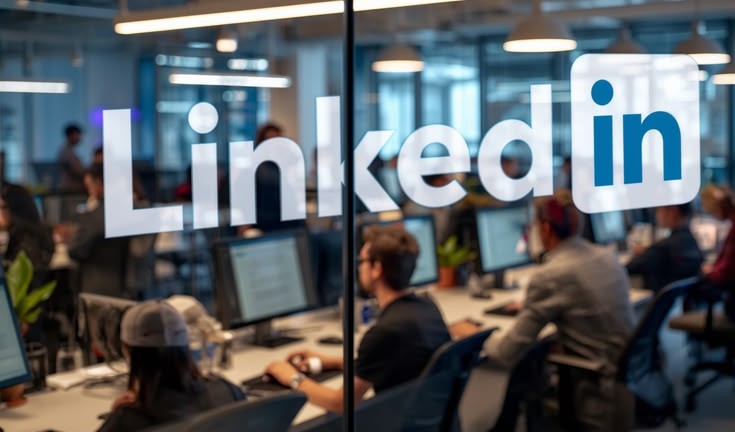
The job market is evolving rapidly, and employers are increasingly focusing on what candidates can actually do rather than simply relying on degrees, certifications, or job titles. Recognizing this shift, LinkedIn has introduced enhanced digital skills verification features that allow professionals to demonstrate their expertise through real-world usage of workplace tools and platforms.
The update reflects a broader movement toward skills-based hiring, where practical knowledge and proven abilities are becoming just as important, if not more important, than traditional credentials. As technology continues to reshape industries, professionals are under growing pressure to validate their skills and remain competitive in an increasingly digital workforce.
Why Skills Verification Matters More Than Ever
Over the past few years, employers have faced significant challenges when evaluating candidates. Traditional resumes often fail to accurately represent a person’s capabilities, while self-reported skills can be difficult to verify.
LinkedIn’s latest initiative aims to solve this problem by creating a more transparent and trustworthy way for professionals to showcase their abilities. Instead of simply listing a skill on a profile, users can now provide evidence that they actively use specific digital tools and platforms.
This approach benefits both job seekers and recruiters. Professionals gain credibility, while hiring managers receive more reliable information when assessing candidates.
As organizations continue adopting AI, automation, cloud technologies, and digital collaboration tools, verified skills can help candidates stand out in crowded talent markets.
The Shift Toward Skills-Based Hiring
The recruitment landscape has undergone a major transformation. Many employers are moving away from rigid degree requirements and focusing more on demonstrated competencies.
Research from LinkedIn has consistently shown that companies are placing greater value on skills and practical experience. This trend is particularly evident in technology, marketing, sales, customer success, and operations roles.
Employers are increasingly asking questions such as:
- Can the candidate effectively use industry-standard tools?
- Do they have hands-on experience with relevant software?
- Have they demonstrated proficiency in real-world situations?
- Can they adapt to emerging technologies?
By enabling verified digital skills, LinkedIn is aligning its platform with these changing hiring priorities. Professionals can now provide stronger evidence of their capabilities, making it easier for recruiters to identify qualified candidates.
How LinkedIn’s New Verification System Works
The updated system allows users to connect supported applications and digital tools directly to their LinkedIn profiles. Once connected, LinkedIn can display verified information about how individuals use these tools in professional settings.
Unlike traditional endorsements or self-declared skills, these verifications are based on actual platform usage. The feature generates descriptions that highlight a user’s practical application of a particular tool, helping create a more accurate representation of their expertise.
This means professionals can demonstrate more than just familiarity with software, they can showcase meaningful experience and active engagement.
The result is a richer professional profile that provides greater context around a person’s abilities and accomplishments.
Expanding Support for Popular Workplace Tools
One of the most significant aspects of LinkedIn’s update is the expansion of supported applications.
The company has broadened its partnerships to include a growing list of digital platforms used across industries. These integrations enable professionals to verify skills associated with marketing, content creation, communication, project management, sales, and other business functions.
Additional integrations are expected to continue rolling out, reflecting the increasing diversity of tools used in modern workplaces.
As software ecosystems become more specialized, verified tool experience can provide valuable insight into a candidate’s readiness for specific roles.
The Growing Importance of AI and Digital Competencies
The introduction of enhanced skills verification comes at a time when demand for digital competencies is reaching new heights.
Artificial intelligence, automation, analytics, and cloud technologies are transforming nearly every industry. As a result, employers are actively seeking professionals who can work effectively with emerging technologies.
LinkedIn’s recent workforce insights have highlighted the growing importance of AI literacy, digital communication, performance analysis, and other technology-driven capabilities. These skills are increasingly viewed as essential for long-term career growth.
By helping users validate their experience with digital tools, LinkedIn is supporting the development of a more skills-focused professional ecosystem.
Benefits for Job Seekers
For professionals, the new verification system offers several advantages.
1. Increased Credibility
Verified skills carry more weight than self-reported claims. Recruiters can have greater confidence that a candidate possesses practical experience with relevant tools.
2. Improved Profile Visibility
Profiles that showcase verified expertise may attract more attention from recruiters searching for candidates with specific competencies.
3. Stronger Competitive Positioning
In highly competitive job markets, small differentiators can make a significant impact. Verified digital skills provide an additional layer of proof that can help candidates stand out.
4. Better Career Opportunities
As organizations prioritize skills-based hiring, professionals who can demonstrate validated competencies may gain access to more opportunities.
Advantages for Recruiters and Employers
The update is equally beneficial for employers.
Recruiters often spend significant time evaluating candidates and validating skill claims. Verified digital skills can streamline this process by providing additional evidence of a candidate’s capabilities.
Some key advantages include:
- More informed hiring decisions
- Reduced reliance on self-reported information
- Improved candidate screening
- Better matching between job requirements and applicant skills
- Increased confidence during recruitment processes
As hiring becomes increasingly data-driven, access to verified skills information can improve recruitment efficiency and outcomes.
Supporting Lifelong Learning
Another important aspect of LinkedIn’s strategy is encouraging continuous learning.
Technology changes rapidly, and professionals must regularly update their knowledge to remain competitive. LinkedIn has consistently emphasized skill development through initiatives such as LinkedIn Learning and its annual “Skills on the Rise” reports.
The new verification features complement these efforts by providing a pathway for users to showcase newly acquired competencies.
This creates a powerful cycle:
Learn a skill → Apply it in real-world scenarios → Verify it on LinkedIn → Increase professional visibility.
Such an approach encourages ongoing development while helping professionals demonstrate measurable progress.
What This Means for the Future of Professional Networking
LinkedIn’s latest move highlights a larger trend in professional networking and recruitment. The future is increasingly centered on verifiable skills, practical experience, and demonstrated expertise.
As digital transformation continues across industries, professionals will need more effective ways to communicate their capabilities. Traditional resumes and job titles alone may no longer provide enough information for employers making hiring decisions.
Verified skills offer a more transparent and evidence-based alternative.
For LinkedIn, this development strengthens its position as a platform that not only connects professionals but also helps validate their expertise. For users, it creates new opportunities to build credibility and differentiate themselves in an evolving job market.
Conclusion
LinkedIn’s expanded digital skills verification initiative represents an important step toward a more skills-driven workforce. By allowing professionals to showcase real-world experience with workplace tools and technologies, the platform is helping bridge the gap between claimed abilities and proven expertise.
As employers continue prioritizing practical skills over traditional qualifications, verified competencies are likely to become an increasingly valuable part of professional identity. Whether you’re actively job hunting, exploring career advancement opportunities, or simply building your personal brand, demonstrating validated digital skills can help strengthen your professional presence and improve your visibility in a competitive market.
In a world where technology continues to reshape how people work, learn, and hire, the ability to prove what you know may soon become just as important as the experience listed on your resume.